
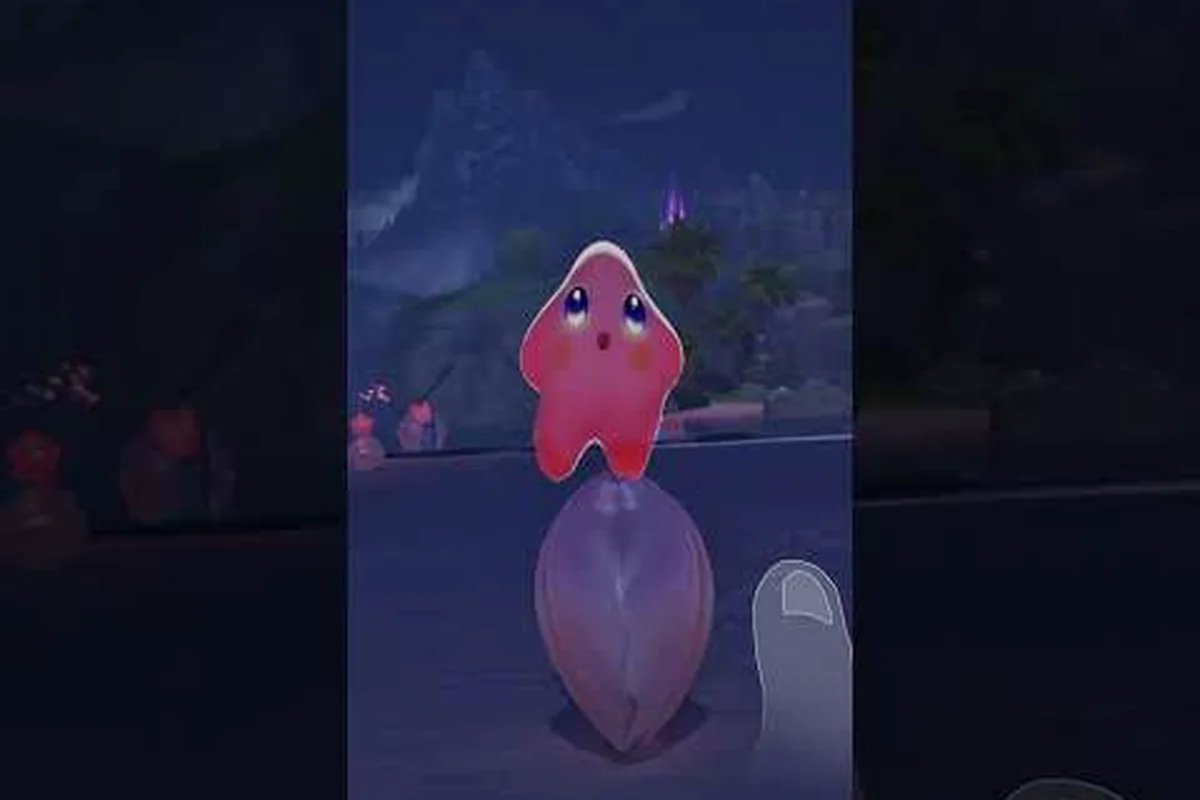
Twine is the signature feature of the Aniimo creature-catching RPG, letting Pathfinders transform directly into the creatures they bond with. This Twine strategy guide breaks down every unlock requirement, level gate, and combat tip so new players can master transformation without burning through hours of trial and error on the open continent of Idyll.
Twine System Overview and Core Mechanics
The Twine system sits at the heart of Aniimo's identity, according to the official Aniimo website. Rather than simply issuing commands to a companion, Twine lets a Pathfinder physically become any creature in their collection, inheriting its moveset, traversal kit, and stat profile for as long as the form is sustained. The system is described in pre-launch coverage as the primary way the developers at Pawprint Studio want players to experience exploration, puzzle-solving, and competitive combat on the continent of Idyll.
What Twine Does In Combat and Exploration
Once Twine is unlocked, every creature in your collection becomes a usable avatar. Gliding species open vertical shortcuts, burrowing forms access underground caches, and aquatic variants let you chase rare catches across deep water. The system replaces the standard "send companion, wait, recall" loop of older creature-catching titles with a fluid transformation that keeps the Pathfinder in the action at all times.
In combat, Twine forms let you close distance instantly, dodge telegraphed boss attacks with creature-specific i-frames, and chain elemental combos that scale with the form's affinity. The official YouTube channel highlights how a well-timed Twine swap can flip a losing duel because the new form inherits a fresh dodge window. Players in the closed beta have reported that mastering swap timing is more impactful than raw creature level in most PvE encounters.
| Twine Form Category | Primary Use | Strength | Weakness |
|---|---|---|---|
| Gliding species | Vertical exploration, sniping | High mobility, ranged poke | Low HP pool, slow ground walk |
| Burrowing forms | Underground traversal, ambush | Stealth opener, trap bypass | Vulnerable while surfacing |
| Aquatic variants | Water chase, deep-zone access | Speed in rivers and oceans | Weak on land, surf delay |
| Brute frames | Boss DPS, tanking | Burst damage, stagger windows | Heavy stamina cost, slow swap cooldown |
| Support forms | Healing aura, shields | Sustain in group content | Low personal damage, fragile |
Why Twine Strategy Matters Before the Global Launch
Aniimo launches globally on September 15, 2026 across PC, mobile, and console with full cross-platform multiplayer, so the first cohort of Pathfinders will all be hitting the Twine unlock roughly at the same time. Players who arrive with a pre-built strategy will clear early-game content faster, unlock advanced regions sooner, and enter the Sky-Floating Metropolis at a higher readiness level than those who learn Twine mechanics by accident. The Twine system is also tied to several late-game dungeons, meaning a weak grasp of swap timing can lock you out of high-tier rewards for the rest of a play session.
Twine Unlock Requirements and Level Gates
According to the Aniimo Steam page, Twine is not available from the very first cutscene. The system is gated behind a short story quest, a minimum Pathfinder level, and at least one successful creature catch, so brand-new accounts have to earn the ability before any strategy becomes relevant. This section maps every confirmed and reported gate, so you can plan your first hours around hitting them efficiently.
Quest, Level, and Collection Prerequisites
The Twine tutorial quest is triggered automatically once you reach Pathfinder Level 6 and complete the second main-story chapter in the Verdant Steppe. Community testing on the closed beta branch suggests the quest NPC is located in the same starter village where you receive your first Aniipod, and the objective is a single specimen encounter that teaches the swap input, stamina drain, and recovery animation. Failing the encounter does not lock you out, but the NPC will not advance the dialogue until you catch at least one Aniimo using a basic Aniipod throw.
| Gate | Requirement | Source | Notes |
|---|---|---|---|
| Main story progress | Chapter 2 complete | Official site | Auto-triggers tutorial |
| Pathfinder Level | Minimum 6 | Community data | Recommended 8 for comfort |
| Creature collection | 1 caught Aniimo | Confirmed in beta | Starter quest reward counts |
| Stamina upgrade | Optional Tier 1 | Closed beta reports | Doubles sustained Twine time |
| Quest chain length | 3 steps | Player reports | Roughly 25-35 minutes |
Post-Unlock Level Scaling and Form Tiers
After the initial tutorial, Twine access scales in tiers tied to your overall Pathfinder level. Each tier increases the maximum number of forms you can swap between in quick succession, the duration of each transformation, and the damage bonus applied while in creature form. Players who want to specialize in Twine combat should pour early resources into the stamina and form-duration nodes, because the gap between a casual swap and a sustained transformation is the difference between a fun toy and a real build.
| Pathfinder Level | Twine Tier | Forms in Rotation | Max Duration | Damage Bonus |
|---|---|---|---|---|
| 6-10 | Tier 1 | 2 | 25 seconds | +5% |
| 11-20 | Tier 2 | 3 | 40 seconds | +12% |
| 21-35 | Tier 3 | 4 | 60 seconds | +20% |
| 36-50 | Tier 4 | 5 | 90 seconds | +30% |
| 51+ | Tier 5 | 6 | 120 seconds | +40% |
Aniimo Twine Creature Guide and Form Selection
A solid Twine strategy depends on knowing which creatures to bring into your rotation, because every form inherits a different moveset and stat profile. This Aniimo twine creature guide ranks the most reliable options for early, mid, and late-game play based on the closed beta data and official developer previews. For a deeper breakdown of which evolved forms carry the strongest Twine kits, the evolution unlock guide is worth bookmarking once your collection starts growing.
Early-Game Starter Forms
The first two forms you can rotate between after the tutorial are usually a small flying type and a ground-based quadruped, both of which are common catches in the Verdant Steppe. The flying form is the best early-game mobility tool because it opens glide paths to otherwise unreachable resource nodes, while the quadruped gives you a reliable melee opener for the first mini-bosses. Community testers consistently rank the flying starter as the higher-priority first Twine unlock, because the time saved on vertical exploration pays for the quest investment within the first hour.
| Early Form | Type | Best Role | Notes |
|---|---|---|---|
| Verdant Glider | Flying | Exploration, ranged poke | Unlocks glide routes to 3 chests |
| Steppe Stalker | Quadruped | Melee DPS, stagger | Strong vs. early bosses |
| Pebble Roller | Burrowing | Trap bypass, stealth | Slow on the surface |
| Brook Darter | Aquatic | River traversal | Locks you out of land for 4s after dive |
Mid- and Late-Game Power Picks
Once you reach Pathfinder Level 20, the Twine form pool opens up significantly, and players start building around elemental affinities, role coverage, and PvP viability. Brute forms become the go-to pick for boss damage because their stagger windows line up with most encounter telegraphs, while support forms stay essential for group content inside the Sky-Floating Metropolis. The official Aniimo Discord hosts active discussions about which mid-game forms outperform their stats on paper, and community testing consistently flags the following picks as top-tier rotations.
| Mid/Late Form | Affinity | Best Role | Tier |
|---|---|---|---|
| Cinder Brute | Fire | Boss DPS, AoE | S |
| Tide Channeler | Water | Support, cleanse | S |
| Stormwing | Electric | Ranged poke, interrupt | A |
| Stonewarden | Earth | Tank, shield wall | A |
| Mistwalker | Spirit | Stealth, debuff | B |
Twine Strategy in Combat, Exploration, and Group Play
The most common mistake new Pathfinders make is treating Twine as a panic button rather than a planned rotation. The system rewards deliberate swap timing, stamina budgeting, and knowledge of each form's i-frame windows. This section covers the practical Aniimo twine strategy tips that turn the system from a flashy mechanic into a reliable tool across PvE, exploration, and group content.
Combat Rotation and Swap Timing
In a standard boss fight, the optimal rotation opens with a ranged form to pressure the boss from a safe distance, swaps into a brute form the moment the boss telegraphs a melee punish, and finishes with a support form to recover stamina before the next phase. The key is to never stay in one form for longer than its cooldown window, because the damage bonus and dodge i-frames reset on swap. Closed beta players report that a 4-form rotation covers roughly 85% of the game's encounter design, and the remaining 15% can be handled with situational swaps.
| Combat Phase | Recommended Form | Reason |
|---|---|---|
| Phase 1 opener | Ranged / flying | Safe poke, build stagger |
| Phase 2 punish | Brute / melee | Burst during vulnerable window |
| Phase 3 recovery | Support / spirit | Cleanse, heal, reposition |
| Enrage timer | Highest DPS form | Maximize burn window |
Exploration Routing and Resource Efficiency
Twine is also the fastest way to clear exploration checklists, because each form unlocks a specific traversal tool. The most efficient route through any region is to glide to the highest point first, drop into burrow-accessible caves, then surface into nearby water bodies to chain aquatic traversal. The creature eggs guide is a useful complement to this loop, because many egg nests are only reachable through Twine-specific traversal. Players in the closed beta have timed runs showing that a planned Twine rotation clears about 30% more map markers per hour than running on foot.
Group Content and PvP Viability
The Egg Heist mode, which is a PvPvE event where teams steal eggs from rival Homelands, rewards Twine mastery more than any other system in the game. Because the mode mixes stealth, traversal, and direct combat, a team that can swap forms fluidly can outmaneuver opponents locked into a single creature. For a complete breakdown of the mode itself, the Egg Heist strategy guide covers team composition and reward optimization. In ranked PvP, the meta revolves around stun-lock rotations where one form opens, another chains, and a third finishes, so practicing swap timing in PvE pays off directly in competitive play.
| Game Mode | Best Form Pool Size | Key Strategy |
|---|---|---|
| Story PvE | 2-3 | Stagger + burst |
| Open-world exploration | 4-5 | Route coverage |
| Egg Heist PvPvE | 5-6 | Flex rotation |
| Ranked PvP | 3-4 | Burst + chain |
Advanced Twine Tips, Mistakes, and Optimization
Players who already understand the basics often stall at mid-game because they stop optimizing their Twine loadout. This section covers the advanced tips that separate a casual Twine user from a true Twine specialist, including stamina management, form synergy stacking, and the most common mistakes that waste the first 20 hours of play.
Stamina, Cooldown, and Synergy Stacking
The hidden layer of Twine strategy is stamina management, because every swap and every sustained form drains the same global pool. A common mistake is to spam the transformation input without waiting for the stamina bar to refill, which leaves the player stuck in a low-tier form during a critical fight. The advanced play is to plan stamina windows around encounter telegraphs, so a swap always lands with full bar. Synergy stacking, where two forms in the same elemental school grant a passive buff to the third, is another late-game layer that rewards thoughtful loadout design.
| Mistake | Consequence | Fix |
|---|---|---|
| Spamming swap | Stamina lockout | Wait for full bar |
| Ignoring form synergy | Lost passive buff | Pair 2 same-affinity forms |
| Staying in one form | No i-frame reset | Rotate every 20-30s |
| Skipping stamina nodes | Short Twine duration | Prioritize duration early |
| Ignoring type matchup | Wasted DPS window | Swap into counter form |
Pre-Launch Preparation Checklist
Because Aniimo launches globally on September 15, 2026, the best pre-launch preparation is to study the official Aniimo YouTube channel for confirmed form demos, join the Discord for closed beta impressions, and pre-plan which creature types to prioritize catching on day one. Players who arrive with a target list of three to four core forms will progress through the Twine unlock far faster than those who catch at random.
Frequently Asked Questions
What level do you unlock Twine in Aniimo?
Twine unlocks at Pathfinder Level 6 after completing the second main-story chapter in the Verdant Steppe, according to the official Aniimo site and closed beta data. You also need at least one successful creature catch before the tutorial NPC will advance the quest.
Can you Twine into any Aniimo you own?
Yes, every Aniimo in your collection becomes a usable Twine form, but the number of forms you can rotate between per session is capped by your current Twine tier. Tier 1 allows 2 forms, while Tier 5 at Pathfinder Level 51+ allows 6 forms in active rotation.
Which Twine form is best for beginners?
The Verdant Glider is the strongest beginner pick because it unlocks glide routes to early chests, skips most ground traps, and teaches the swap input in a low-pressure environment. Pair it with a melee quadruped for your second slot to handle early boss fights.
Does Twine work in PvP and group content?
Yes, Twine is fully functional in Egg Heist and ranked PvP, and the meta revolves around coordinated swap rotations where one form opens, another chains, and a third finishes. Group content rewards teams that plan stamina windows together rather than swapping on cooldown.
How do you extend Twine duration?
Invest in the Stamina Duration nodes on the Pathfinder skill tree, equip gear with form-duration affixes, and avoid spamming the swap input. Prioritizing these upgrades before raw damage nodes is the most efficient way to extend transformation time across the early and mid game.